Woodland Trail Walking: Slow Movement Practice
Why slower walks through nature offer more wellness benefits than fast-paced hikes. Includes sensory awareness exercises and trail navigation basics for groups.
The Art of Walking Slowly
There's a difference between taking a walk and truly experiencing one. Most people think faster equals better — more miles covered, more calories burned, more "progress." But that's not how wellness works in nature.
Slow woodland walking isn't about laziness. It's about attention. When you're moving at 2 miles per hour instead of 4, your nervous system has time to actually notice things. The smell of wet earth. The sound of different bird calls. How light filters through oak leaves. Your body isn't in fight-or-flight mode trying to hit a distance goal — it's in rest-and-digest, which is where real healing happens.
We've been doing guided woodland walks at the retreat center since 2021, and the results are consistent. People who expected a workout leave feeling restored. Their heart rates drop. They sleep better that night. Some say they haven't felt that calm in years.
Why Slow Walking Works
The science here is straightforward. Walking at a moderate pace — around 2 to 3 miles per hour — activates your parasympathetic nervous system. That's the part responsible for calming you down, not ramping you up. Your heart rate stays lower. Your breathing becomes deeper and more regular. Cortisol levels drop.
Add trees into the equation and you get something called "forest bathing" or shinrin-yoku. Researchers in Japan have been studying this for decades. Walking among trees, especially for 20 to 30 minutes, measurably improves immune function. Your body produces more natural killer cells that fight infection. Blood pressure normalizes. Inflammation markers decrease.
But there's something else that doesn't show up in blood tests. It's psychological. When you're moving slowly enough to actually see what's around you, your mind stops racing. You're not thinking about emails or bills or arguments. You're just... present. And that presence is rare in modern life.
Lower Stress Hormones
Measurable drops in cortisol within 20-30 minutes of slow woodland walking
Improved Sleep Quality
Regular slow walks improve sleep depth and duration, even for people with chronic insomnia
Enhanced Immune Response
Forest environments increase natural killer cells, your body's defense against illness
Mental Clarity
Slower pace allows your mind to quiet down and creative thinking to emerge naturally
How We Structure Our Walks
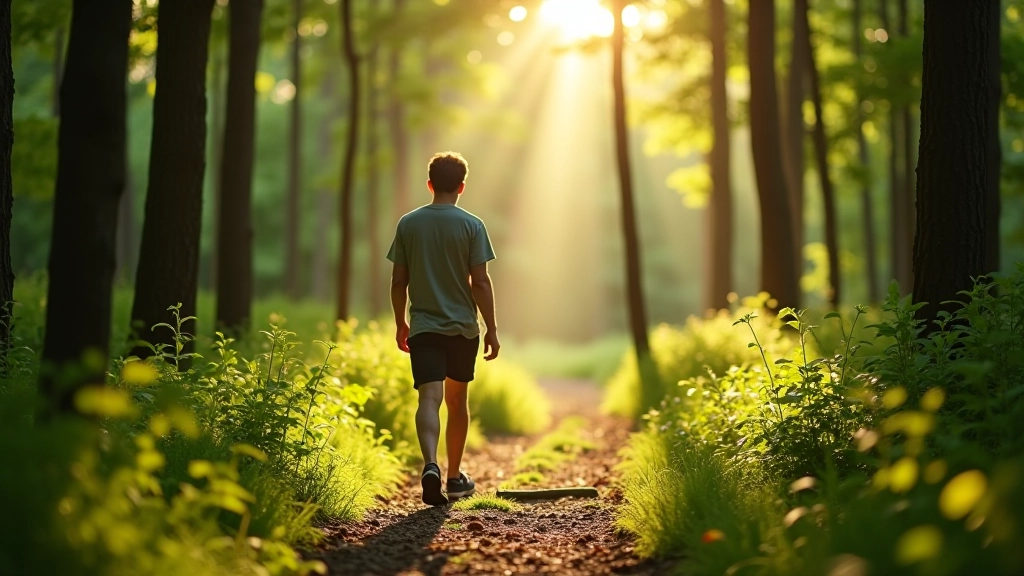
Our woodland walks happen twice a week — Tuesday and Thursday mornings at 8 AM, running about 90 minutes total. We don't try to cover distance. The whole point is pace.
We start with what we call "arrival." First 10 minutes, everyone's just settling in. No one's talking much. We're walking about 1.5 miles per hour, which feels almost slow at first. But your body adjusts. Your breathing settles. Your shoulders drop away from your ears.
Then we move into the sensory section. We'll pause every 15 or 20 minutes and do a specific exercise. One person might close their eyes and listen for five different bird sounds. Another might spend two minutes just noticing textures — the bark of trees, moss under their fingers, the feel of the path under their feet. This isn't meditation, but it serves the same purpose. It anchors you in the present moment.
Sensory Awareness Exercises for Group Walks
These exercises work whether you're on a guided walk or exploring trails on your own. They're simple but they completely change your experience.
The Listening Walk
Pick a 10-minute section of your walk. Close your eyes occasionally (safely, with a partner) or just focus your hearing. How many distinct sounds can you identify? Wind, water, birds, insects, rustling leaves? Most people notice 4-5. Regular walkers hear 12+.
Texture Observation
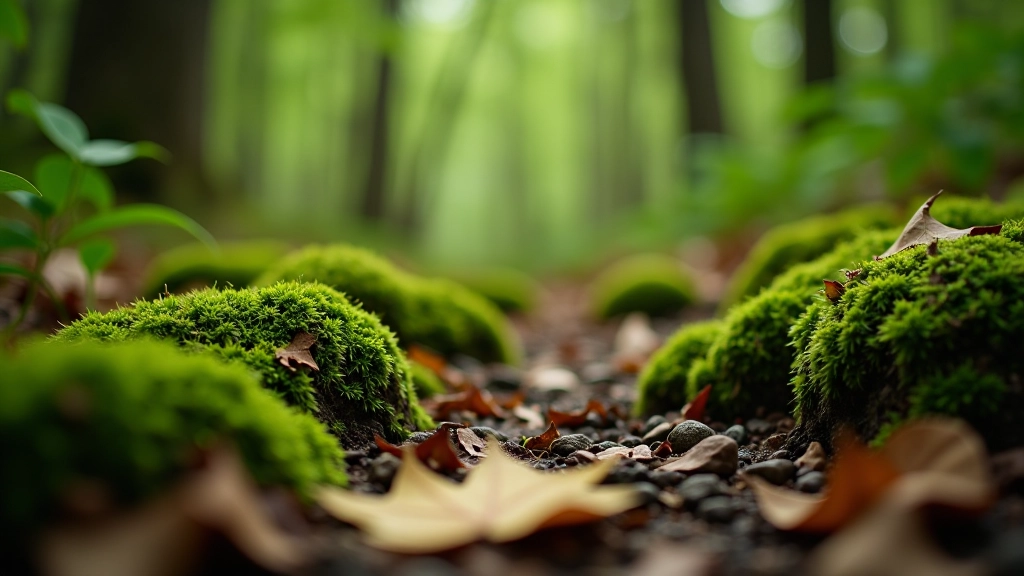
Stop for two minutes and touch five different things. Tree bark, leaves, rocks, moss, soil. Don't judge them as rough or smooth — just notice the actual sensations. This activates your parasympathetic nervous system more effectively than many meditation techniques.
The Pace Awareness Exercise
Check your actual walking speed. Aim for 2-2.5 miles per hour. That's roughly 30 minutes to cover a mile. If you're going faster, consciously slow down. You'll feel resistance at first — the urge to move faster. That's your productivity brain. Let it pass.
Breathing Rhythm Sync
Coordinate your breath with your steps. Inhale for 4 steps, exhale for 4 steps. This naturally slows you down and calms your nervous system. By the end of your walk, you'll feel noticeably more relaxed than if you'd rushed.
Walking in Groups: Navigation and Safety
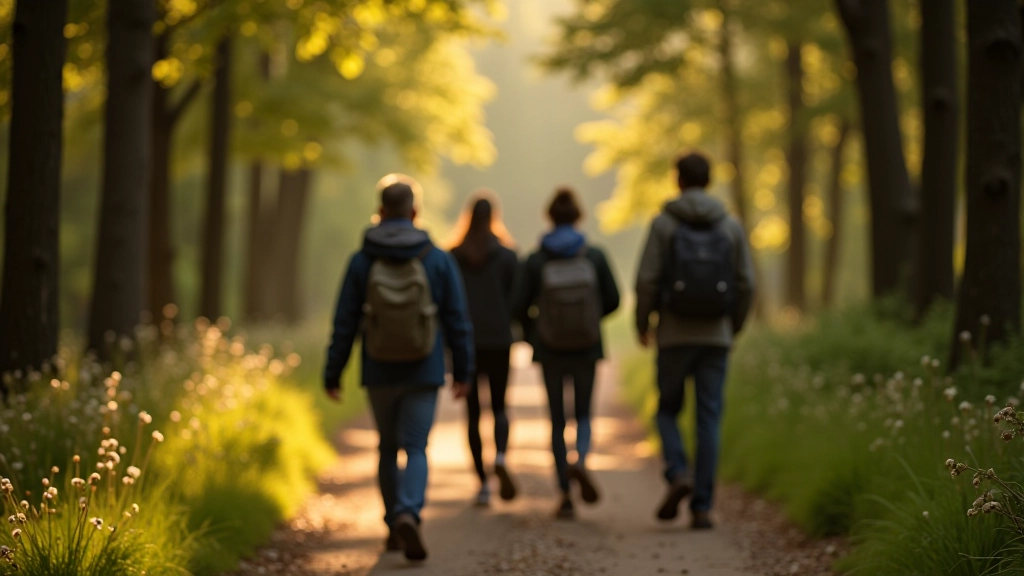
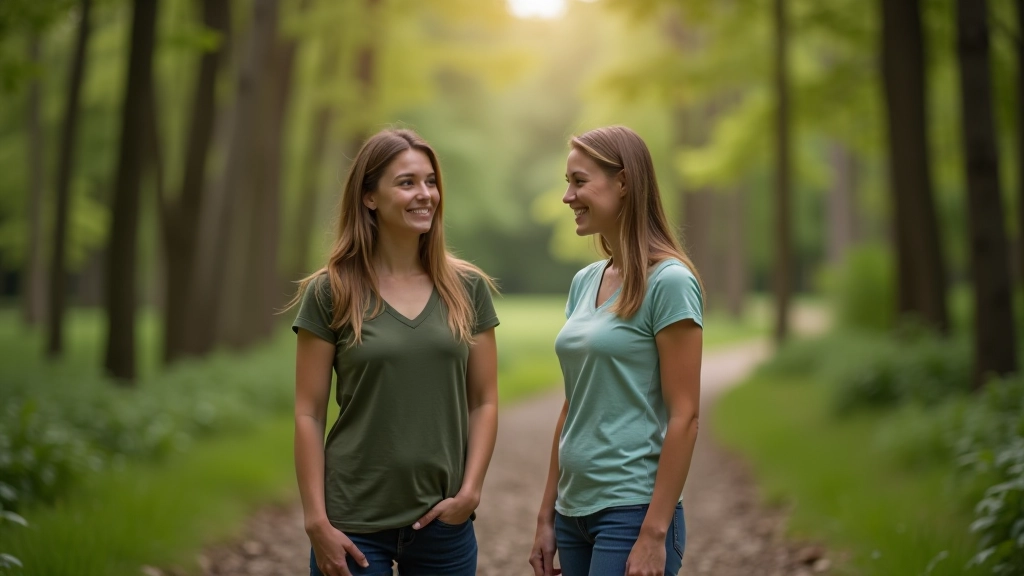
One question we get constantly: doesn't walking with a group defeat the purpose of quiet time in nature? Not really. There's something restorative about moving with others at a slow pace. You're not forced to make conversation. You're just present together. And that's powerful.
For group walks, we keep our groups between 6 and 12 people. Smaller feels intimate. Larger feels like herding. We always have two guides — one at the front, one at the back. Everyone stays within sight of the group, but people can choose their own spacing. Some folks like to walk with a partner. Others prefer to walk solo within the group. Both are fine.
Trail selection matters. We use marked trails that are well-maintained. Most of our regular walks cover the same 2-3 mile loop around the lake. People get to know the path. They notice seasonal changes — how the light shifts, which wildflowers appear, when the mushrooms pop up. That familiarity creates a deeper connection than constantly exploring new trails.
Practical Tips for Your First Slow Walk
What to Wear
You're not racing, so comfort matters more than performance. Wear layers you can remove if you warm up. Good walking shoes that aren't stiff — your feet will be on the ground for 90 minutes. Moisture-wicking socks prevent blisters. A light jacket, even on warm days, because you'll be moving slowly and might cool down.
Bring Water
Even though you're moving slowly, bring water. A small bottle, maybe 16-20 ounces. Dehydration makes everything harder — your mood, your focus, your joints. We pause every 45 minutes anyway, so there's time to drink.
Leave Your Phone
Or at least keep it in your pack. The point is to be present. You're not getting cell service in the woods anyway, and checking notifications interrupts the calm you're building. Just leave it behind. Ninety minutes isn't forever.
Expect Your Legs to Feel Different
Slow walking uses different muscles than your normal pace. You might feel slight soreness in your shins or calves the next day, even if you're usually active. It's not injury — it's just adaptation. You'll adjust within a couple of walks.
Key insight: The hardest part isn't the walking. It's giving yourself permission to go slow. Your productivity brain will resist. That voice saying "you should be covering more distance" or "this is too easy" — that's just habit. Push past it. By 30 minutes in, you'll understand why we do this.
Slow Down. Notice More. Feel Better.
Woodland walking doesn't require special equipment or extreme fitness. You don't need to travel to exotic forests. A familiar local trail works perfectly. The magic isn't in the location — it's in the pace.
When you walk slowly enough to actually notice your surroundings, something shifts. Your nervous system settles. Your mind quiets. You remember what it feels like to just exist without doing or achieving or proving anything. That's not a luxury. It's essential maintenance.
"I came expecting exercise. I left feeling like I'd had a therapy session. Without anyone asking about my feelings."
— Jennifer, retreat participant
Our Tuesday and Thursday morning walks are open to everyone — walkers of all abilities, ages, and experience levels. The only requirement is that you're willing to go slow. If you've never tried it before, start with one walk. See how you feel afterward. We think you'll understand why so many people make this a regular practice.
Ready to Experience a Slow Walk?
Our guided woodland walks happen every Tuesday and Thursday at 8 AM. Join us for an experience that combines movement, nature, and genuine rest.
Get in TouchImportant Disclaimer
This article is educational and informational in nature. While woodland walking has been associated with wellness benefits in research, individual results vary. If you have health concerns, joint problems, or mobility limitations, consult with your doctor before beginning any new walking practice. The wellness benefits described here are based on general research and participant experiences, not medical guarantees. Our guides are trained in safety and group management, but aren't medical professionals. Outdoor walking involves inherent risks — always follow trail safety guidelines, stay aware of your surroundings, and walk at a pace appropriate for your fitness level.