

Farm-to-Table Dining: Sourcing Local Ingredients
How seasonal eating connects you to the land. We share our supplier relationships, menu planning by season, and simple recipes using ingredients from local farms.
What Farm-to-Table Really Means
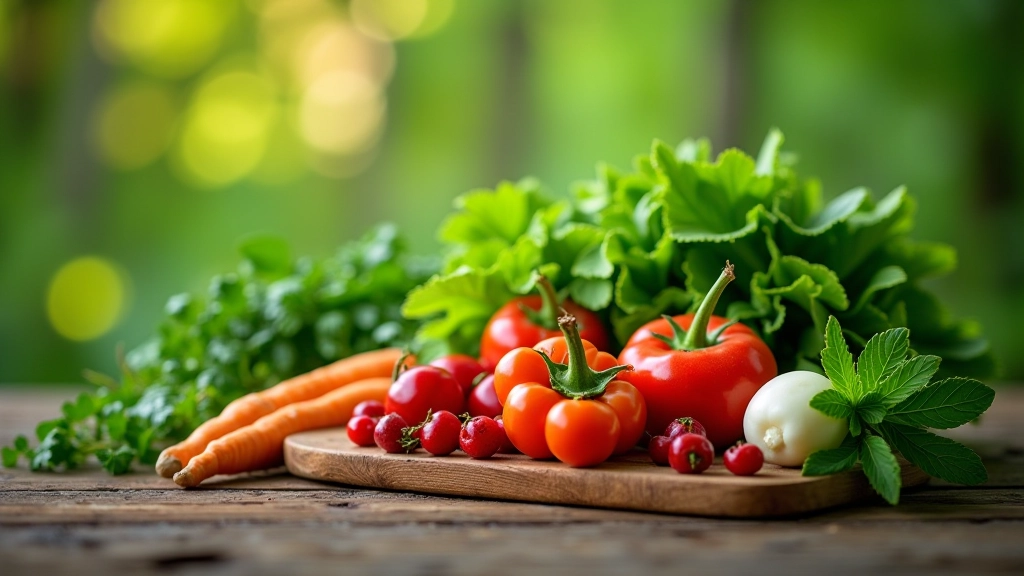
Farm-to-table isn't just a buzzword at our retreat. It's genuinely how we cook. We're talking about ingredients picked within the last 48 hours, relationships with farmers we actually know by name, and menus that change with what's growing right now.
When you eat here, you're not just getting fresh food. You're eating what belongs to this season, this soil, this place. Spring brings tender greens and asparagus. Summer explodes with tomatoes, berries, and stone fruits. Fall gives us squash and root vegetables that taste nothing like the imported stuff. Winter? That's when we focus on preservation and what keeps well.
The connection matters. You'll notice the difference in flavor, texture, and how your body responds. There's something about eating in rhythm with the seasons that just feels right.
Our Farmer Relationships
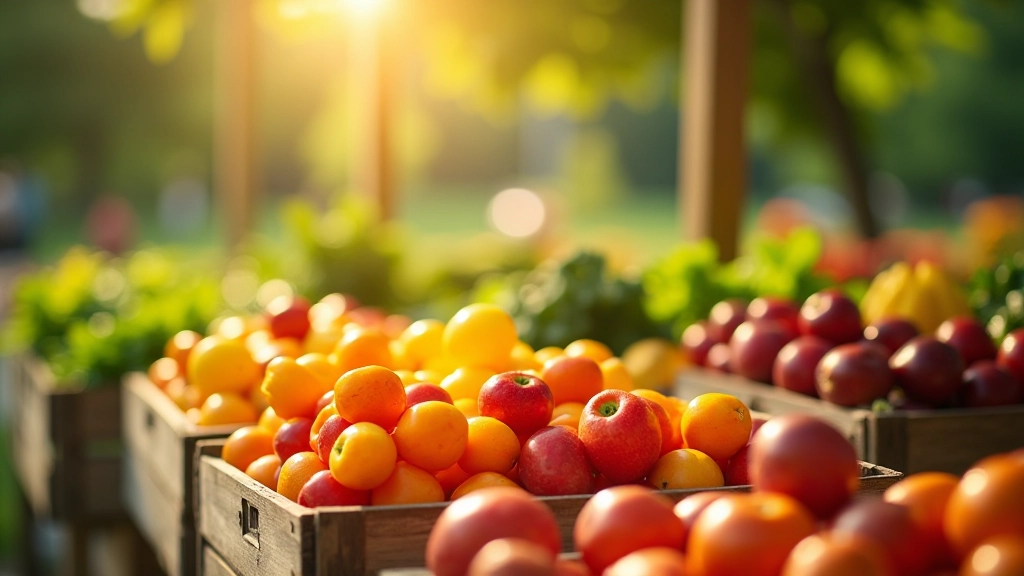
We don't buy from a distribution network. We work directly with five local farms within a 20-mile radius, plus a dairy cooperative and a specialty grower for herbs and microgreens.
That direct relationship means we know exactly how the food was grown. No mystery ingredients, no pesticide surprises, no shipping damage. Our head chef visits each farm twice a year — spring and fall — to see what's possible and plan menus accordingly.
The Meadowbrook Farm gives us most of our vegetables. They've been farming that land for three generations and they're genuinely excited about growing things we'll actually use. Willow Creek Dairy provides our milk, yogurt, and cheese. Their herd grazes on pasture most of the year, and you can taste the difference in the butter.
This isn't complicated. It's just what good food systems should look like — transparency, quality, and real relationships instead of faceless transactions.


Planning Menus by Season
Our menu planning starts three months before the season begins. We sit down with farmers, ask what they're planning to grow, and design dishes around what'll be abundant — not what's scarce or expensive.
Spring (April-May): Tender lettuces, peas, asparagus, spring onions, rhubarb. You'll see lots of fresh salads, delicate vegetable preparations, and lighter broths. Breakfast features fresh eggs from the farm's hens.
Summer (June-August): This is peak abundance. Tomatoes in every form, berries for desserts, stone fruits, zucchini, beans, fresh herbs. Grilled vegetables, salads that actually taste like something, and cold preparations that don't feel heavy.
Fall (September-October): Squash, root vegetables, apples, pears, late berries. Roasted vegetables start appearing more, heartier soups, and dishes that feel grounding and warm.
Winter (November-March): Root storage crops, preserved vegetables, citrus when available. This is when our preserves and ferments shine — pickled vegetables, jams, and techniques that celebrate what was harvested at peak ripeness.
Three Simple Recipes You Can Make at Home
We're sharing three techniques our chefs use regularly. None of these require special equipment or restaurant training.
01
Roasted Root Vegetables with Herb Oil
Cut root vegetables (carrots, parsnips, beets) into even 1-inch pieces. Toss with olive oil, salt, and pepper. Roast at 425°F for 25-30 minutes until caramelized. Meanwhile, blend fresh herbs (parsley, thyme, rosemary) with more olive oil. Drizzle the herb oil over hot vegetables. That's it. The technique here is high heat and patience — don't stir constantly, let them develop color.
02
Simple Tomato Sauce (When Tomatoes Peak)
Use only tomatoes, garlic, olive oil, and salt. Roughly chop fresh tomatoes. Cook garlic in olive oil for 30 seconds, add tomatoes, simmer 30-40 minutes. That's genuinely all. The magic is using tomatoes at absolute peak ripeness — the kind that smell amazing. If your tomatoes are mealy or bland, this technique won't fix that. Quality ingredients do the work here.
03
Bitter Greens with Warm Vinaigrette
Wash and roughly chop greens (kale, chicory, or mustard greens). Heat olive oil in a pan, add shallots and garlic, cook until soft. Add vinegar (apple or wine), mustard, and salt. Pour this warm over the greens while they're still in the bowl — the heat wilts them slightly and the vinegar cuts through bitterness beautifully. This technique works spring through fall when good greens are available.
Why This Matters for Your Retreat Experience
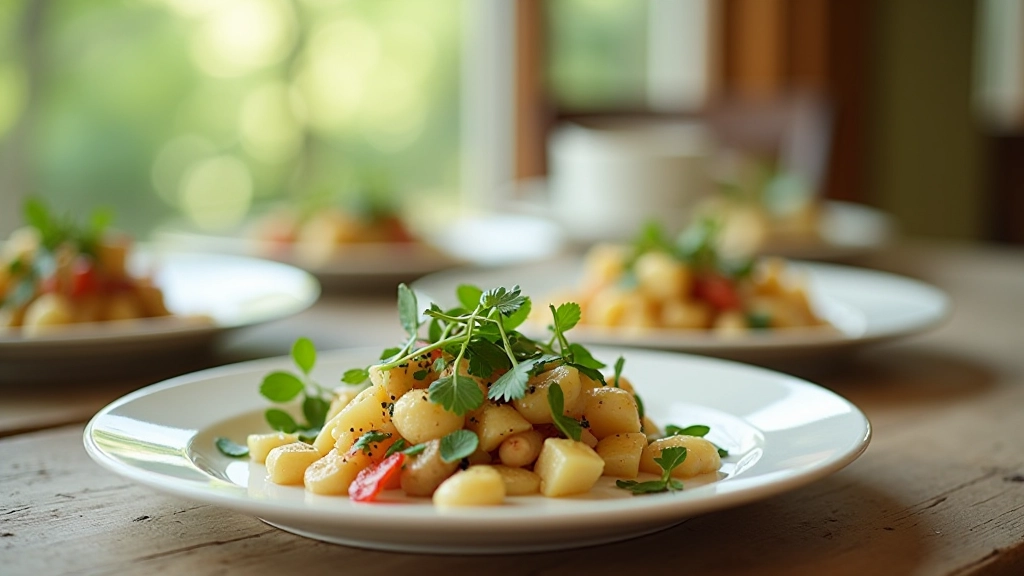
When you visit our retreat, the food you eat connects you directly to this place. You're tasting soil quality, weather patterns, farming decisions made by people who care about what they grow. It's not abstract — you can actually taste the difference between food grown locally with intention and food shipped across the country.
Farm-to-table dining becomes part of your wellness practice here. Eating seasonally means eating foods your body actually needs at that time of year. Spring's tender greens help after winter. Summer's abundance fuels activity. Fall's root vegetables ground you. Winter's preserved foods sustain you through scarcity.
It's also genuinely delicious. Fresh, ripe, properly grown food just tastes better. You don't need complicated techniques or rare ingredients — you just need the real thing, prepared simply.
Whether you're here for a weekend or a week, you'll eat what's in season right now. That's our commitment to you and to the farmers we work with.
Information Disclosure
The information in this article is educational and intended to help you understand farm-to-table dining practices. Specific recipes, seasonal availability, and farming practices may vary by region and year. Cooking techniques should be adapted based on your equipment, ingredients, and experience level. Always source ingredients from reliable sources and follow food safety guidelines. The farms and suppliers mentioned are specific to our retreat location. Consult with local farmers, nutritionists, or culinary professionals for guidance tailored to your specific needs and circumstances.
Related Articles