Getting Started with Kayak Relaxation
Learn paddling techniques and breath work to transform kayaking into genuine stress relief
Why Kayaking Becomes Meditation on the Water
Most people think of kayaking as exercise. You paddle, you work your shoulders and core, you move from point A to point B. That's all true, but it's missing something important — the quiet part.
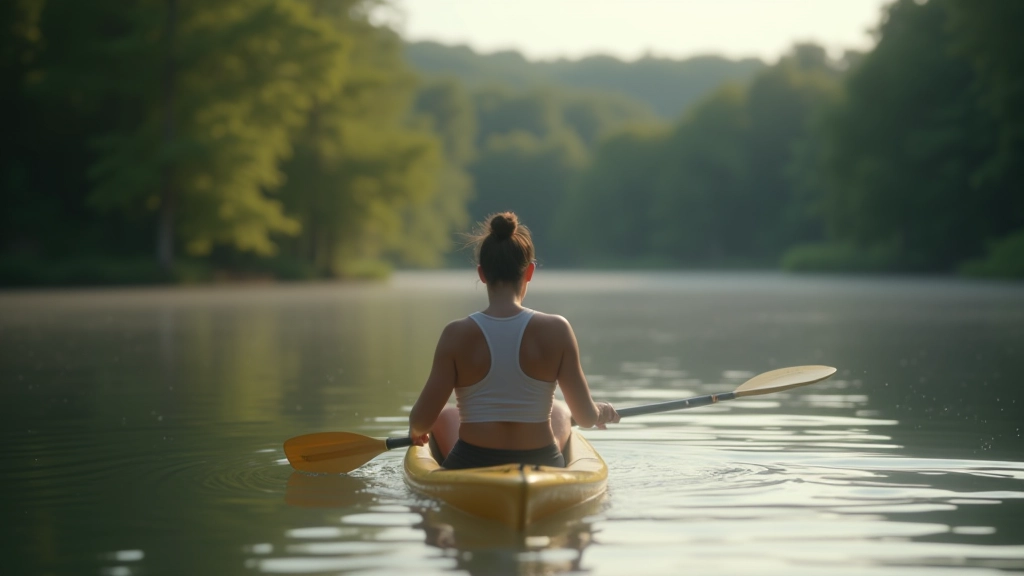
When you're floating on calm water with a paddle in your hands, something shifts. Your breathing naturally slows. Your mind stops jumping between tasks. The rhythm of each stroke becomes almost meditative. It's not about speed or distance. It's about being present on the water, feeling the kayak respond to small adjustments, watching the ripples you create. That's where the real relaxation happens.
We've worked with hundreds of paddlers here at our lakeside retreat — from nervous first-timers to folks who've been paddling for years. The ones who get the most out of it aren't the fastest. They're the ones who slow down and actually pay attention to what's happening around them.
Foundational Paddling Technique
You don't need fancy technique to start relaxing on the water. But there's a difference between paddling and paddling well. When you're doing it right, you'll notice you're not exhausted after 30 minutes. You're not fighting the kayak. Your shoulders aren't screaming.
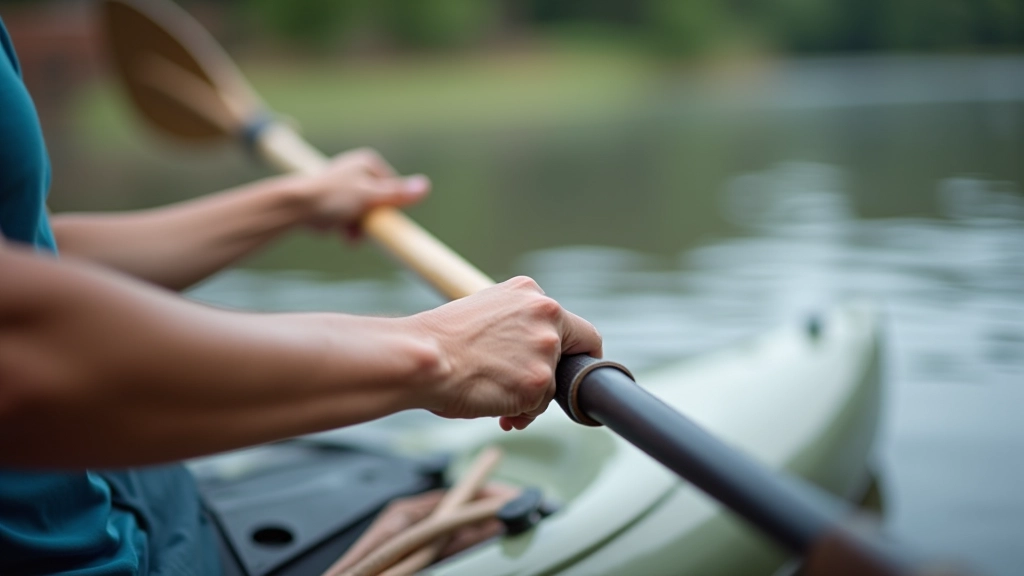
Here's what matters: grip, rotation, and engagement. Hold the paddle loosely — not like you're strangling it. Your grip should be firm but relaxed, about shoulder-width apart. Engage your core and shoulders, not just your arms. Most beginners paddle with their arms only, which is exhausting. Real paddling uses your whole torso. Rotate from your hips and core as you pull the paddle through the water. That rotation does the work, not your biceps.
The paddle should enter the water near your toes and exit near your hip. That's one smooth stroke. Do this properly, and you'll cover distance without effort. You'll also have way more energy left for actually enjoying being on the water.
The Breath Work That Changes Everything
This is where kayaking stops being exercise and becomes genuine relaxation. Your breath controls your nervous system. Period. When you're stressed, your breathing gets shallow and fast. Your shoulders tense up. You're locked.
On the water, you can change that. Breathe in through your nose for 4 counts as you prepare your paddle stroke. Exhale slowly through your mouth for 6 counts as you pull the paddle through the water. That's it. That's the pattern. In for 4, out for 6.
The longer exhale activates your parasympathetic nervous system — the part that tells your body to relax. Your heart rate drops. Your shoulders release. After about 5-10 minutes of this rhythm, you'll notice you've stopped thinking about work or stress. You're just breathing and paddling and watching the water. That's the sweet spot. That's relaxation.
Setting and Conditions Matter
You don't need perfect conditions, but early morning and late afternoon are ideal. The water's calmer. There's less boat traffic. The light's softer. Temperature-wise, you want water that's comfortable enough that you're not thinking about cold. Wear layers you can adjust — you'll warm up after paddling for 15 minutes.
Protected bays or slow-moving water sections are better than open lake when you're starting out. You want to focus on your technique and breathing, not fighting waves. Once you've got the fundamentals down and your breathing is solid, you can explore more exposed water. But there's no rush. Some of our most experienced paddlers prefer the calm spots because that's where the relaxation deepens.
One small tip: start with 20-30 minute sessions. Not because you'll be tired — you won't be if you're doing this right — but because shorter sessions are easier to repeat consistently. Once this becomes a regular habit, you can extend to 45 minutes or an hour.
Your First Month: What to Expect
Week 1
Getting Comfortable
Your first few sessions are about balance and getting used to the kayak moving beneath you. Don't push distance. Just focus on technique and steady breathing. Your shoulders might feel it, but that's normal. You're building awareness of muscles you don't usually engage.
Week 2-3
Rhythm Develops
Your paddle stroke becomes more automatic. You're not thinking about every movement. The breathing pattern clicks in. This is when it stops feeling like work. You'll start noticing the water, the light, the sounds. The relaxation part begins here.
Week 4+
Real Relaxation
By week four, kayaking becomes your meditation practice. You'll actually look forward to it. Some paddlers tell us it's their favorite part of the week. You've got the technique down, the breathing's natural, and you're just present on the water.
Start Where You Are
You don't need to be athletic or experienced to find relaxation on the water. You don't need expensive gear or perfect conditions. You need a kayak, a paddle, and willingness to slow down and pay attention to your breath and the water beneath you.
The technique matters, but only because it prevents exhaustion. The breathing matters because it genuinely calms your nervous system. Everything else — the scenery, the solitude, the gentle rhythm — that's the reward.
If you're thinking about trying kayak relaxation, don't overthink it. Come out to the lake on a calm morning. We'll get you set up with a kayak that fits, show you the grip and stroke, and let you find your own rhythm. Most people find it within the first 20 minutes. After that, it's just you, the water, and the quiet.
Get in Touch to Book a Session
Important Information
This article is educational and informational only. Kayaking involves water-based activity and carries inherent risks. Always wear appropriate safety gear including a properly fitted personal flotation device. Check weather and water conditions before paddling. If you have health concerns or physical limitations, consult with a healthcare provider before starting any new physical activity. Our retreat center provides professional instruction and safety briefings for all participants. Individual experiences with relaxation practices vary — what works for one person may differ for another.
Related Reading