
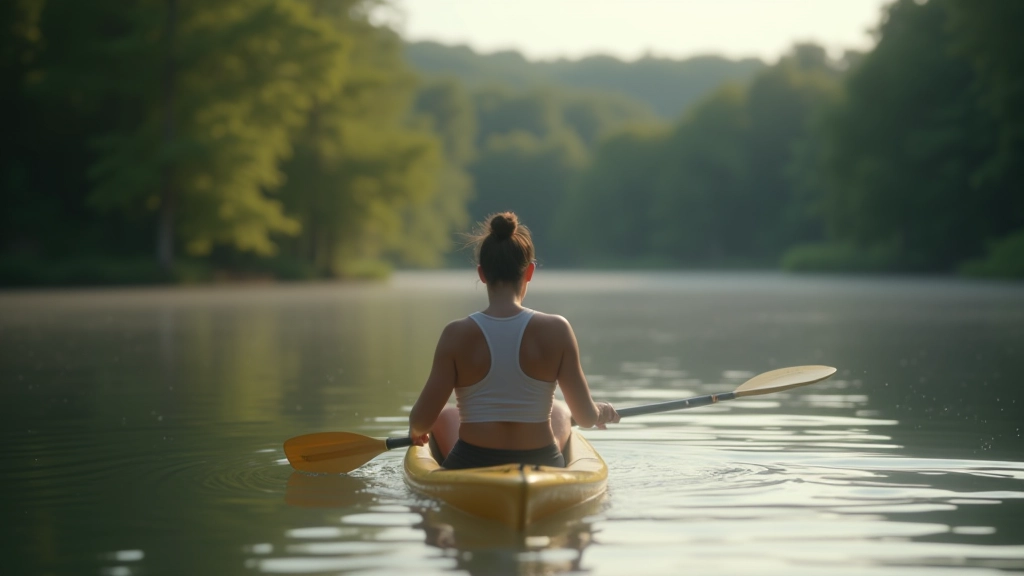
Lakeside Yoga: Finding Your Practice Outdoors
Learn how to adapt your yoga routine to outdoor settings, dealing with wind and uneven surfaces, and why practicing near water deepens your connection to breath.
Why Practice Yoga by the Water
There's something about moving through poses near a lake that changes everything. It's not just the view, though that doesn't hurt. The water creates a different kind of space — quieter in some ways, more alive in others. You're not in a climate-controlled room with the same people you see every week. You're outside, and that matters.
When you practice lakeside, your nervous system responds differently. The sound of water lapping against the shore, the slight temperature variation as breezes move across your skin, the way light reflects off the surface — these aren't distractions. They're actually deepening your practice. Your breath becomes more anchored. Your attention naturally settles. You'll find yourself less caught up in whether you're doing the pose "correctly" and more focused on how it feels.
But let's be real — practicing outdoors isn't exactly the same as rolling out your mat in a studio. Wind will push you around. The ground won't be perfectly level. You might get cold or too warm depending on the time of day. Here's what we've learned after working with hundreds of people on our lakeside yoga decks: those challenges aren't obstacles. They're actually the whole point.
Starting with Solid Ground
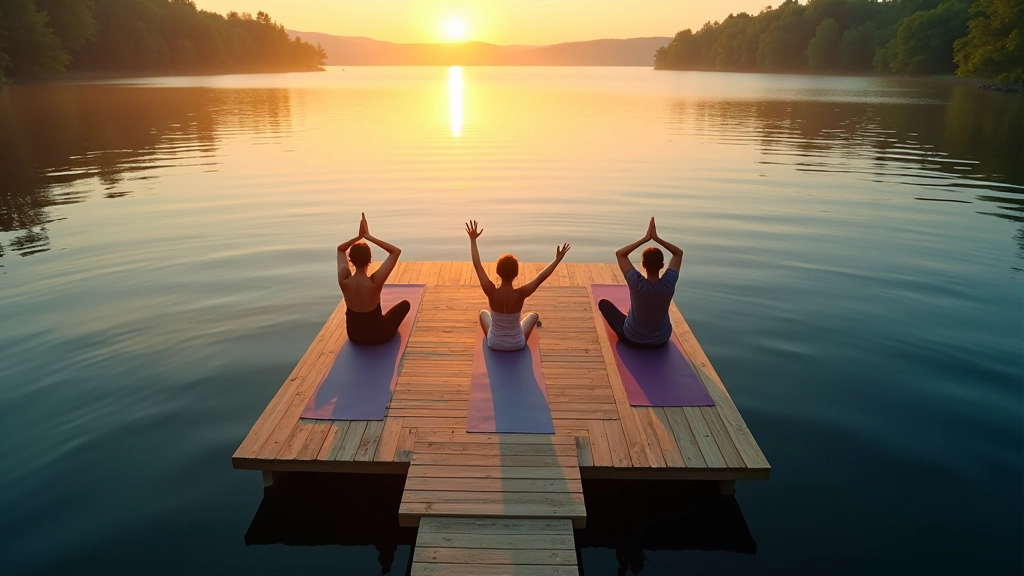
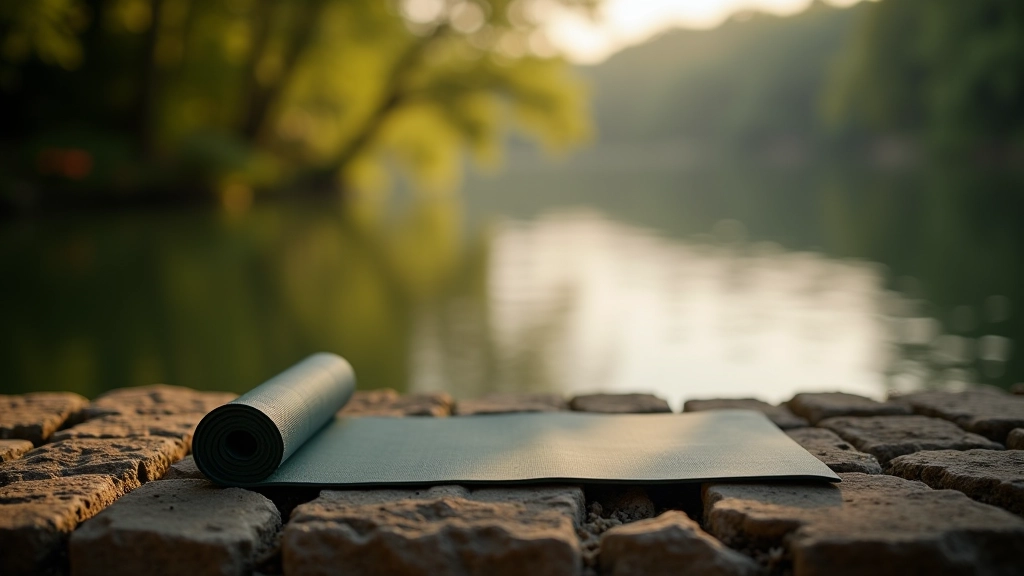
Your foundation changes everything outdoors. In a studio, you've got a flat surface that's been engineered to support your practice. On a lakeside deck or grass area, you're working with what nature gives you. The first step is accepting this — not as a limitation, but as part of your practice.
Look for a spot that's relatively level. You don't need perfection. A slight slope actually engages your stabilizing muscles more, which builds real strength. We typically recommend practicing on wood decking or packed earth rather than thick grass, which can be unstable. If you're on grass, remove your shoes — your feet get better feedback about the terrain.
Position yourself so you're facing the water or at an angle where you won't be staring directly into sun glare. This protects your eyes and keeps your focus inward rather than constantly squinting. Most people find that practicing during early morning or late afternoon — when light is softer — feels more grounding. The temperature difference between water and air creates a natural buffer against extreme heat or cold.
Working With Wind, Not Against It
Wind is your teacher. Sounds poetic, but it's true. When you're holding Warrior II and a breeze pushes your upper body, you learn something real about balance. Your stabilizing muscles activate. Your mind has to stay present instead of wandering. You can't zone out the way you might in a still studio.
Here's the practical side: position your mat so wind hits you from the side rather than directly from behind. This prevents your mat from shifting and keeps you from feeling destabilized. If it's a particularly windy day — and lakeside often means breeze — stay with grounded poses. Warrior poses, lunges, and floor work are perfect. Save balancing poses for calmer mornings.
One thing we've noticed: people get stronger wind-adapted quicker than they expect. After two or three outdoor sessions, your body develops a different kind of proprioception. You're not fighting the environment anymore. You're moving with it. That's when the real benefit kicks in.
How Water Deepens Your Breath
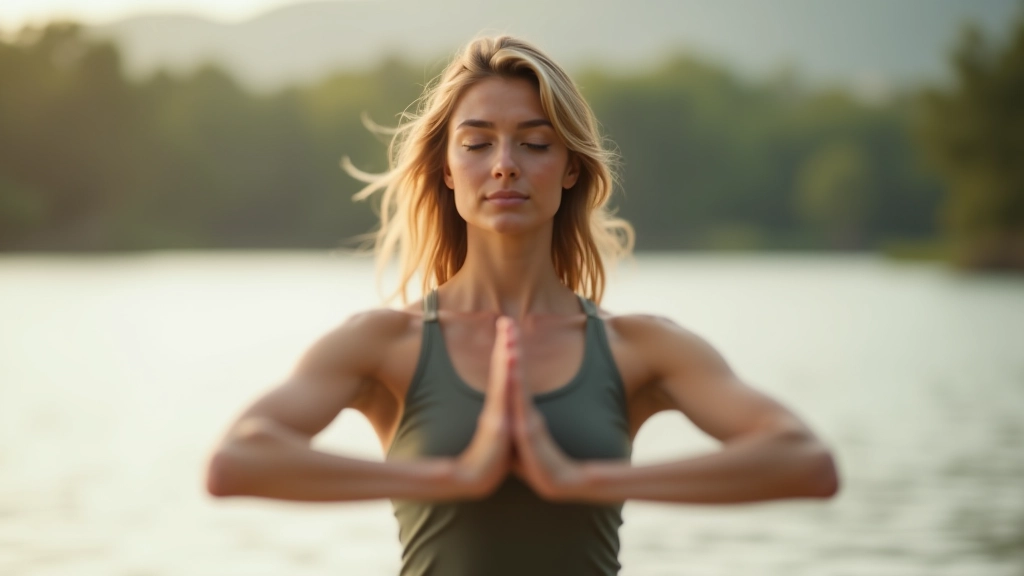
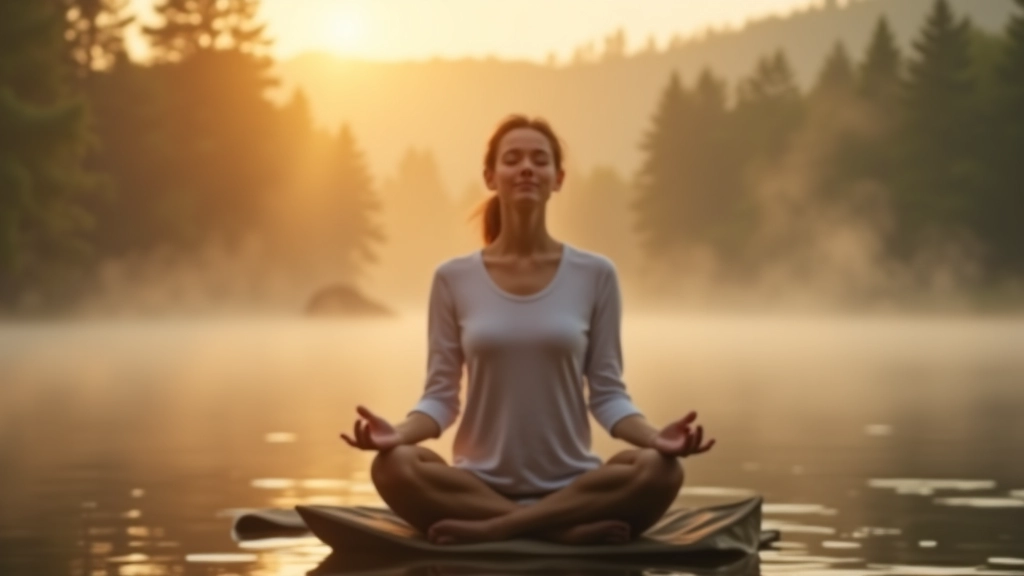
This is where lakeside yoga gets special. When you're practicing near water, your breath naturally shifts. The air is cooler and often slightly more humid, which changes how you inhale. The sound of water creates a rhythm that your nervous system locks onto. You're not forcing deeper breathing — it's happening naturally.
Most people notice this in their first few minutes on a lakeside deck. Your exhale becomes longer without you trying to extend it. Your inhale deepens. It's like the environment is coaching you. We've had people tell us they've practiced yoga for years in studios, but they finally understood what "complete breath" meant when they practiced by the water.
The consistency matters. Try practicing in the same lakeside spot a few times. Your body starts recognizing the space. Your nervous system settles faster. By your fourth or fifth session, you'll drop into that calm state almost immediately. The water remembers you, and your body remembers the water.
A Simple Lakeside Practice Structure
Here's what works for most people doing outdoor yoga for the first time:
01
Grounding (3-5 minutes)
Stand barefoot on the deck or grass. Feel the surface. Notice the temperature, the texture. Do some gentle neck rolls and shoulder circles. Let your body register that you're outside.
02
Breath Work (2-3 minutes)
Sit comfortably and sync your breath with the water. Inhale for a count of four as you watch the ripples. Exhale for a count of four. This settles your mind immediately.
03
Standing Sequence (15-20 minutes)
Move through your standard standing poses. Warrior series, triangle, extended side angle. Ground-based poses feel more stable and grounding in outdoor settings.
04
Floor Work (10-15 minutes)
Transition to seated and lying poses. Forward folds, gentle twists, bridge pose. Your body's already warm from the standing work.
05
Savasana (5-10 minutes)
This is the gift of lakeside practice. Your final resting pose by the water is unlike anything you'll experience in a studio. Just lie there. Listen. Breathe.
Best Times to Practice
Timing shapes your entire experience. Early morning — roughly 6 to 8 AM — tends to be ideal. The air's cooler, wind is typically lighter, and there's fewer people around. You'll have the space more to yourself. The light quality is also stunning. Mist rising off the water creates this naturally meditative atmosphere.
Late afternoon, around 4 to 6 PM, works beautifully too. The sun's lower, so you're not fighting harsh overhead light. Water temperature is usually warmer from the day's sun, and the whole environment has this golden-hour quality that's deeply calming.
Avoid midday if you can. Sun's too intense, heat radiates off the ground, and wind tends to pick up. If that's your only option, embrace it — you'll just need to modify your practice toward grounded poses and shorter sessions.
Making It Real
The thing about outdoor yoga is that it stops being theoretical pretty quickly. You can't think your way through wind or uneven ground. You have to feel your way through. That's where the real transformation happens.
Start small. Pick one morning this week. Spend thirty minutes by the water. Bring a mat or just use a towel. You don't need fancy gear or perfect conditions. You need to show up and let the water do what it does. After a few sessions, you'll understand why people come back to lakeside yoga over and over. It's not because it's easier than studio yoga. It's because it's realer. You're moving your body in the actual world, not in a controlled environment. Your breath connects to something larger than yourself. That's worth getting a little windblown for.
Important Disclaimer
This article is for informational and educational purposes only. It's not a substitute for professional instruction from a certified yoga teacher or medical advice from a healthcare provider. Before beginning any new exercise practice, especially outdoors, consider consulting with a healthcare professional — particularly if you have existing injuries, joint issues, or health conditions. Weather conditions change rapidly near water. Always practice with awareness of your surroundings, wear appropriate clothing, and stay hydrated. Lakeside environments can be slippery or uneven. Move mindfully and modify poses as needed for your body.
Related Wellness Practices